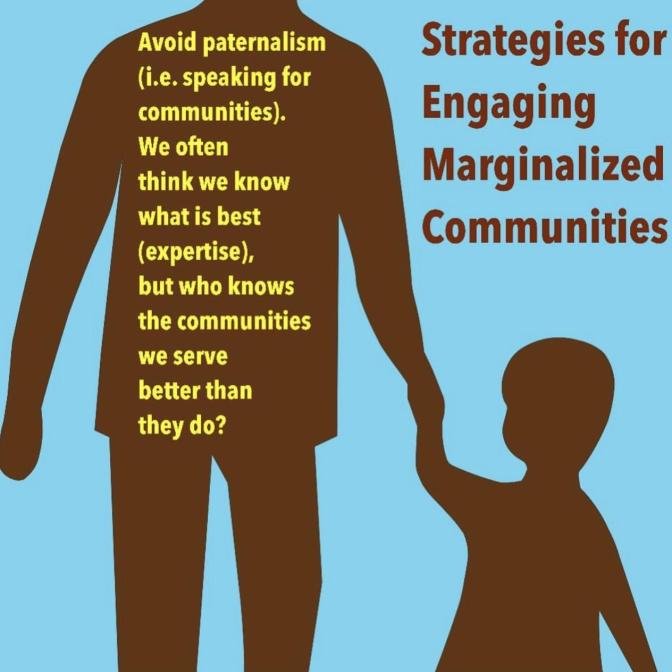
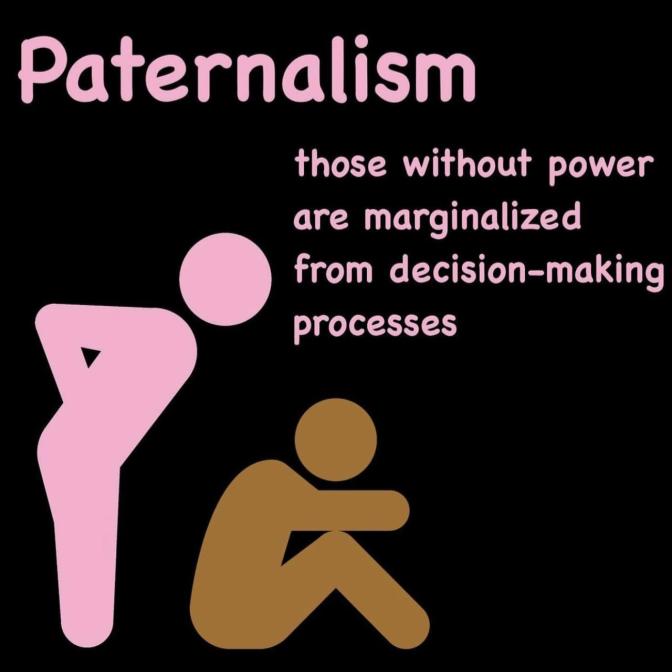
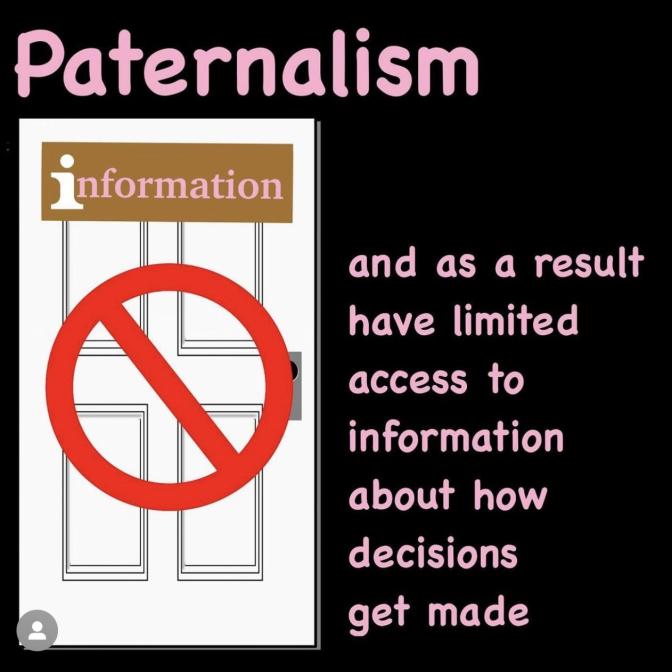

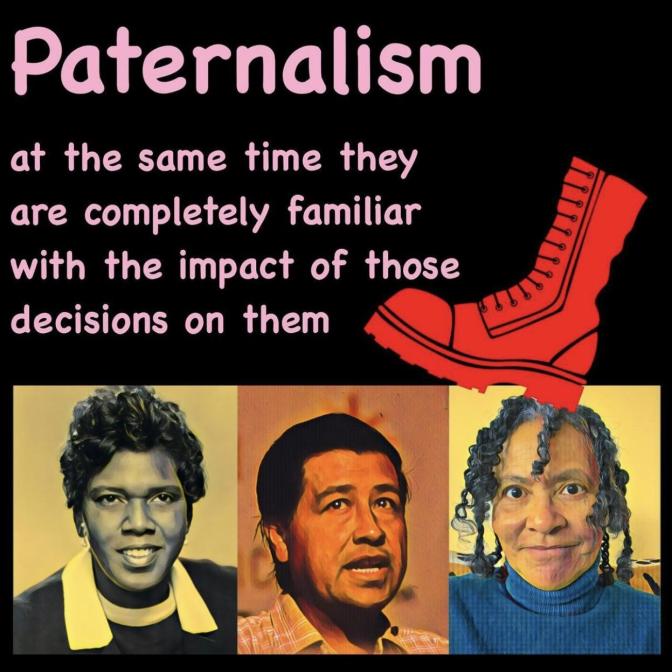

The dominant power structure may feel like they are being subjected to a witch hunt when questioned about equity and treatment of marginalized groups for a few reasons.
First, questioning the equity and treatment of marginalized groups can be perceived as a threat to the dominant power structure’s status quo. If the dominant power structure has historically benefited from and maintained systems of oppression, any challenge to those systems can be seen as a challenge to their power and privilege. As a result, they may feel defensive and resistant to change.
Second, the dominant power structure may feel like they are being unfairly targeted or blamed for issues related to equity and treatment of marginalized groups. This can be due to a lack of understanding or acknowledgement of the systemic nature of oppression and the ways in which the dominant power structure has contributed to it. They may see themselves as individuals who have not personally discriminated against anyone and feel like they are being scapegoated for the actions of others.
Finally, the dominant power structure may feel like they are being subjected to a witch hunt because of a fear of losing power and control. If changes are made to promote equity and justice, the dominant power structure may perceive that they will lose their position of power and privilege, leading to resentment and defensiveness.
It’s important to recognize that these feelings are often rooted in a fear of change and a desire to maintain the status quo. It’s essential to approach these conversations with empathy and understanding while also being firm in advocating for equity and justice for marginalized groups.
There are a number of resources available to leaders who want to improve their equity, diversity, and inclusion (EDI) skills. Here are a few:
1. The National Equity Project – The National Equity Project is a nonprofit organization that works with leaders and organizations to promote equity and justice in education. They offer training and coaching programs for leaders looking to build their skills in areas such as equity-centered leadership and culturally responsive teaching. You can find more information on their website: https://nationalequityproject.org/
2. The Center for Urban Education at the University of Southern California – The Center for Urban Education is a research and training center focused on improving educational equity and access. They offer a range of resources and training programs for leaders, educators, and researchers interested in promoting equity in education. You can find more information on their website: https://cue.usc.edu/
3. The Teaching Tolerance Project – The Teaching Tolerance Project is a program of the Southern Poverty Law Center that provides free resources and professional development for educators who want to promote equity and justice in the classroom. Their resources include teaching strategies, classroom activities, and professional development webinars. You can find more information on their website: https://www.tolerance.org/
4. The American Alliance of Museums – The American Alliance of Museums offers a range of resources and training programs for museum leaders and educators looking to promote equity, diversity, and inclusion in their institutions. You can find more information on their website: https://www.aam-us.org/
5. The National Guild for Community Arts Education – The National Guild for Community Arts Education offers resources and training programs for arts education leaders looking to promote equity and inclusion in their institutions. Their resources include a series of webinars focused on equity and inclusion in the arts. You can find more information on their website: https://nationalguild.org/
6. The Harvard Implicit Association Test (IAT) – The Harvard Implicit Association Test is a tool that can help individuals become aware of their implicit biases. The test is free and available online, and can be a useful starting point for leaders looking to better understand their own biases and work to address them. You can take the test here: https://implicit.harvard.edu/implicit/takeatest.html
It’s also important to note that reading books and articles by authors from marginalized communities and participating in diverse communities can help improve EDI skills. Listening to and amplifying the voices of those who have been historically marginalized can be a powerful way to better understand the experiences of others and work towards greater equity and inclusion.
 ARTcombobulated
Leave a comment