In advocating for a diverse range of art materials in the elementary classroom, it’s crucial to consider various aspects that contribute to the overall value of a multi-faceted art education. This includes understanding how different media foster broad educational benefits, enhance intellectual and cultural development, impact long-term engagement with the arts, facilitate cross-disciplinary learning, support social and emotional growth, and prepare students for future challenges. Each of these factors plays a significant role in justifying the need for varied art materials and experiences, underlining their collective importance in shaping well-rounded, creative, and adaptable individuals. These considerations are supported by a range of studies and expert opinions, which highlight the multifaceted benefits of a comprehensive art education for elementary students【7†source】【8†source】【9†source】【10†source】.
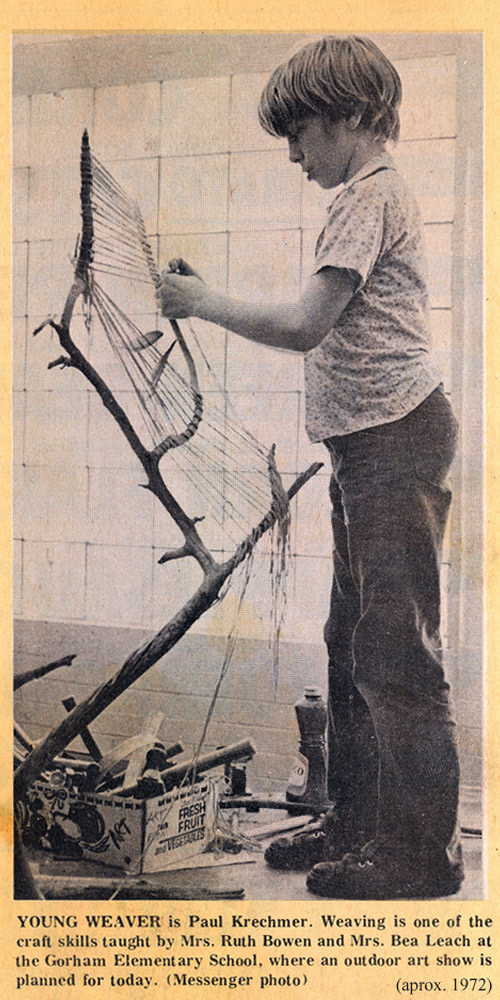
Children are naturally curious. From the minute they gain control of their limbs, they work to put themselves out into the world to see how it all works. They explore, observe and imitate, trying to figure out how things operate and how to control themselves and their environments. This unrestricted exploration helps children form connections in their brain, it helps them learn—and it’s also fun.
Art is a natural activity to support this free play in children. The freedom to manipulate different materials in an organic and unstructured way allows for exploration and experimentation. These artistic endeavors and self-directed explorations are not only fun, but educational as well. Art allows youth to practice a wide range of skills that are useful not only for life, but also for learning.
The art of creating: Why art is important for early childhood development
Kylie Rymanowicz, Michigan State University Extension – January 22, 2015
- Broad Educational Benefits: A study conducted in Houston public schools demonstrated that students who participated in arts education saw improvements in writing, reduced disciplinary infractions, more engagement, improved college aspirations, and maintained standardized test scores. This suggests that arts education contributes positively to various aspects of academic and personal development【7†source】.
- Intellectual and Cultural Development: Including art in elementary education has been shown to help students develop intellectually, gain a better understanding of different perspectives and cultures, and improve test scores. This aligns with the argument that art is not just a creative outlet but also a significant educational tool【8†source】.
- Long-Term Impact and Workforce Skills: Studies highlight that early arts exposure influences art participation later in life. People who develop an understanding and appreciation of art are more likely to invest in art-making or attendance as adults. Furthermore, skills developed through art education, such as creativity and innovation, are recognized as essential for success in today’s workforce【10†source】.
- Cross-Disciplinary Learning: Arts education can enhance learning across various subjects, including STEM, by fostering creative thinking and problem-solving skills. Integrating arts into different subjects can lead to more effective instruction and help students make connections between ideas【7†source】.
- Social and Emotional Development: Engaging in artistic activities from a young age can lead to better social interactions and emotional regulation skills. The National Core Arts Standards outline how arts education helps develop these skills across different developmental stages【7†source】.
- Cultural and Artistic Literacy: Having arts-rich experiences in school has been linked to better academic performance and higher levels of civic engagement, like voting and volunteering. This underscores the role of arts education in fostering well-rounded, culturally literate citizens【9†source】.
You can use these points to build a case for the importance of a diverse range of art materials and experiences in fostering a well-rounded, intellectually stimulating, and emotionally nurturing learning environment for students. This approach will help you advocate effectively for maintaining a variety of art materials and practices in your classroom.
 ARTcombobulated
Leave a comment