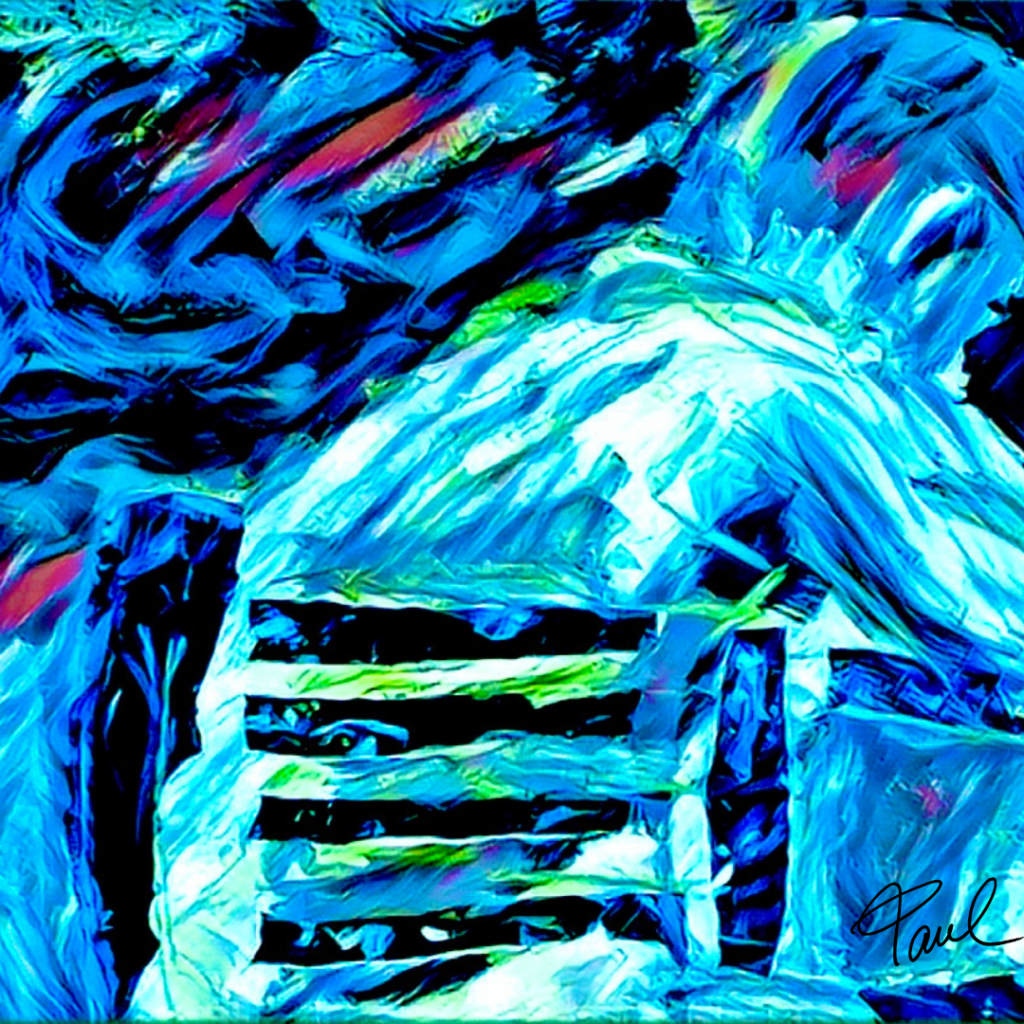
Asking an artist “What is it?” versus “Tell me about your artwork…” can significantly affect the dialogue between the artist and the viewer, impacting both parties' experiences and perceptions.
For the Artist, this:
- Encourages Expression: “Tell me about your artwork…” invites artists to share their thoughts, processes, and the story behind the artwork. It acknowledges their work as a form of expression, not just a product to be identified.
- Validates Creativity: This question validates the artist’s creativity and effort, recognizing the artwork as something more than its physical appearance. It’s an acknowledgment of the artist’s unique perspective and the intangible qualities of their work.
- Reduces Pressure: It removes the pressure to conform to external expectations of what art “should” be. Artists are free to explore and express without worrying about their work being immediately understood or categorized.
For the Curious Onlookers, this:
- Enriches Understanding: By hearing directly from the artist about their work, onlookers gain deeper insights into the artwork’s context, the artist’s intention, and the creative process, which might not be apparent from the work alone.
- Promotes Open-mindedness: It encourages viewers to approach art with an open mind, ready to engage with the artist’s perspective and the layers of meaning in the work, rather than jumping to conclusions based on initial impressions.
- Fosters Connection: This approach can foster a more meaningful connection between the artist and the audience. It opens up a dialogue that allows for personal stories and emotions to be shared, making the art experience more impactful and memorable.
By framing the question as “Tell me about your artwork…” the inquiry shifts from seeking a simple classification to inviting a story. This fosters a richer, more inclusive conversation that respects the artist's vision and effort while enhancing the viewer's experience through deeper understanding and connection. This approach aligns well with the idea that art is a universal language, emphasizing the importance of dialogue, interpretation, and the sharing of perspectives in enriching the art experience for everyone involved.
 ARTcombobulated
Leave a comment